


Austin is not one market. It is dozens of distinct communities spread across five counties, each with its own price tier, school district, commute profile, and lifestyle. A waterfront estate on Lake Austin, a renovated bungalow in East Austin, a new-construction family home in Leander, and a high-rise condo downtown are all "Austin real estate," but they answer completely different questions. This master guide is the map: it groups every neighborhood we cover into six regions, gives you the character and price tier of each, and links down to a dedicated local guide for every community so you can go as deep as you need.
How to Choose an Austin Neighborhood
Before you fall in love with a specific street, it helps to decide what you are actually optimizing for. In a metro this large and this varied, the right neighborhood is the one that matches your constraints, not the one with the best photos. Four factors do most of the work.
Commute. Austin's traffic is real, and the geography is unforgiving, the lakes, the Colorado River, and I-35 all create chokepoints. Where you need to be on a typical workday should anchor your search before anything else. Tech corridors in the northwest (the Domain, Apple, Cedar Park) pull buyers toward Williamson County and the northwestern lakes, while downtown and the medical and university districts favor central and east-side neighborhoods. A home that looks like a bargain can quietly cost you ten hours a week.
Schools. Austin's most sought-after districts, Eanes ISD in the western hills, Lake Travis ISD and Leander ISD in the northwest, and Dripping Springs ISD to the southwest, often define neighborhood premiums more than the houses themselves. Because attendance zones cut across city and neighborhood lines, always confirm the assigned campus by exact address rather than trusting the district name on a listing.
Budget. Price tiers vary dramatically by region. The western hills and waterfront command the metro's highest prices; central Austin trades space for walkability at a premium; and the surrounding suburbs in Williamson and Hays counties deliver the most square footage per dollar. Setting an honest all-in budget, including property taxes, which vary by county, narrows the map quickly.
Lifestyle. Finally, be honest about how you actually want to spend your weekends. Walkable nightlife and restaurants point you to downtown, Zilker, and East Austin. Lake recreation points to Lakeway, Steiner Ranch, and the Lake Travis communities. Wide-open hill-country space points to Dripping Springs and Fredericksburg. Master-planned amenities and newer homes point to the metro suburbs. The regions below are organized to make those trade-offs clear.
West Austin, The Hills and Established Luxury
West Austin is the metro's prestige core: rolling terrain west of MoPac and the Colorado River, mature tree canopy, top-rated Eanes ISD schools, and quick access to downtown. This is where Austin's most established luxury lives, alongside beloved older neighborhoods with character and walkability. Prices here run from upper-middle to ultra-luxury, and inventory is tight because almost no one wants to leave.
West Lake Hills is the flagship, a wooded enclave of estates minutes from downtown, anchored by Eanes ISD and consistently among the metro's most expensive zip codes. Explore West Lake Hills →
Rollingwood is West Lake Hills' smaller, tight-knit neighbor, a tiny incorporated city just over the river from Zilker with the same elite schools and an even more walkable, community feel. Explore Rollingwood →
Tarrytown is the classic close-in West Austin neighborhood, leafy streets, period homes, and an unbeatable location between downtown and Lake Austin that keeps it perennially in demand. Explore Tarrytown →
Barton Creek is a gated, golf-and-greenbelt community in the hills southwest of downtown, known for its country club, custom estates, and dramatic canyon lots. Explore Barton Creek →
Barton Hills sits just south of Zilker and Barton Springs, a more attainable West Austin pocket prized for its greenbelt trailheads and walk-to-the-pool lifestyle. Explore Barton Hills →
Davenport Ranch is a hillside community along Loop 360 with lake and skyline views, a golf course, and easy downtown access through the heart of West Austin. Explore Davenport Ranch →
Lost Creek blends West Austin convenience with a wooded, suburban feel, offering larger lots and a strong sense of neighborhood just minutes from MoPac. Explore Lost Creek →
Northwest Hills is an established hillside neighborhood north of downtown with mid-century and contemporary homes, mature trees, and quick access to the Domain and MoPac. Explore Northwest Hills →
Central Austin, Walkable, Urban, and Connected
Central Austin is the metro's most urban region, where walkability, nightlife, culture, and short commutes outweigh lot size. These neighborhoods sit closest to downtown's employers, restaurants, and music, and they command a premium for that proximity. Buyers here tend to prioritize lifestyle and location over space, and inventory ranges from high-rise condos to renovated historic bungalows.
Downtown is the high-rise heart of the city, condo towers, restaurants, Lady Bird Lake, and a true walk-everywhere lifestyle for buyers who want to be in the center of it all. Explore Downtown →
Central Austin covers the close-in neighborhoods ringing downtown and the university, a mix of historic homes, condos, and infill that offers urban access without high-rise living. Explore Central Austin →
North-Central Austin stretches up the spine of the city with established residential pockets, strong walk scores, and easy access to both downtown and the northern job centers. Explore North-Central Austin →
Zilker wraps around the city's signature park and Barton Springs, blending bungalows and modern infill with the best green space in the urban core. Explore Zilker →
Mueller is Austin's flagship master-planned urban village on the old airport site, walkable, sustainable, and full of parks, retail, and a tight community feel just minutes from downtown. Explore Mueller →
East Austin, Culture and Walkable Energy
East Austin is the city's cultural heart, walkable, creative, and centrally located just east of I-35. It has been one of Austin's fastest-evolving regions, with strong restaurant and nightlife corridors, a layered history, and a mix of historic bungalows and modern infill. Pricing has corrected from its peak but remains a premium for the location and lifestyle.
East Austin (78702 and the surrounding corridors) offers the most walkable urban living outside of downtown, Cherrywood, Holly, and the East 6th and Cesar Chavez scene, with bungalows and contemporary builds side by side. Explore East Austin →
Travis Heights sits just south of the river off South Congress, a leafy, hilly historic neighborhood that pairs East-side energy with SoCo's restaurants and a short walk to downtown. Explore Travis Heights →
South and Hill Country, Space and Open Sky
South and southwest of the city, Austin gives way to the Texas Hill Country, bigger lots, open landscapes, wineries, and a slower pace, while still keeping commutable access to the core. This region spans master-planned value in southwest Austin out to true hill-country towns, appealing to buyers who want room to breathe without leaving the metro behind.
Circle C Ranch is a large, amenity-rich master-planned community in far southwest Austin, popular with families for its pools, parks, golf, and strong schools at a relative value. Explore Circle C Ranch →
Dripping Springs is the "Gateway to the Hill Country" in Hays County, known for acreage, wineries and distilleries, a top-rated school district, and a small-town feel within commuting range. Explore Dripping Springs →
Fredericksburg is the Hill Country wine-country destination northwest of the metro, German heritage, Main Street charm, and a market driven by second homes, B&Bs, and country estates. Explore Fredericksburg →
The Lakes, Resort Living on the Water
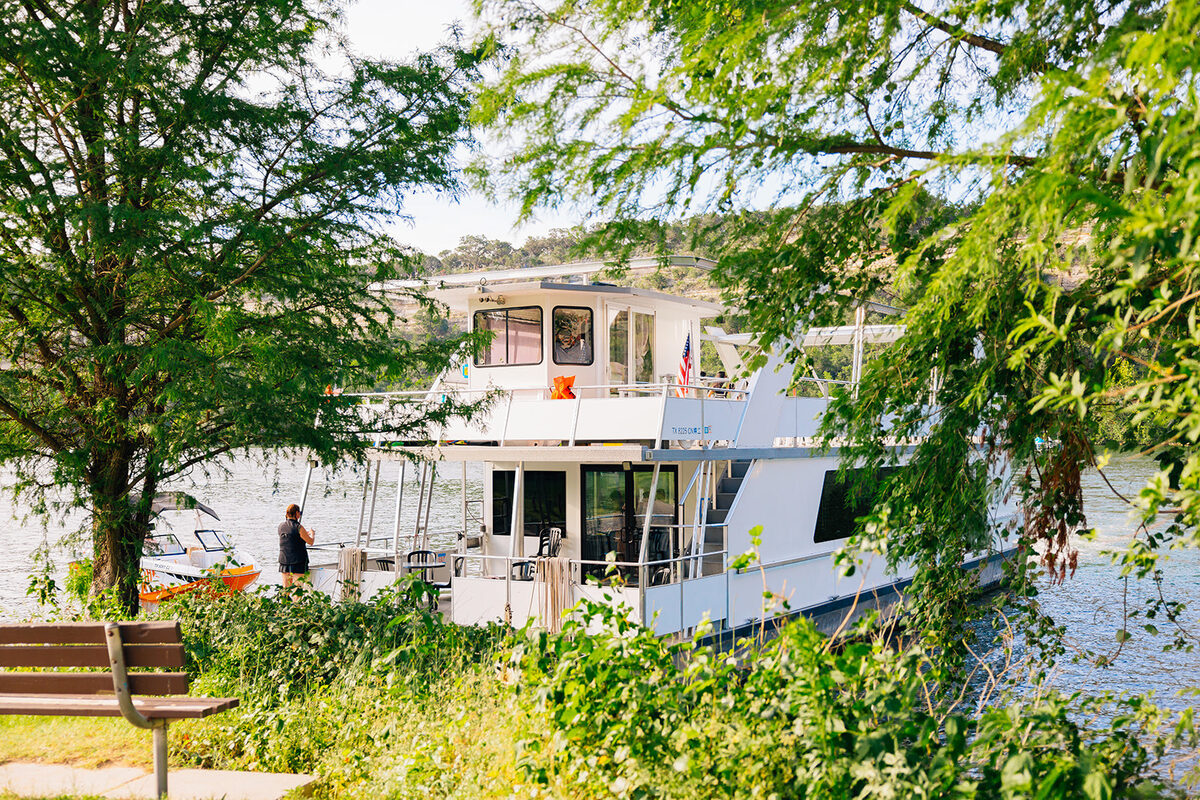
The Highland Lakes chain, anchored by Lake Travis and Lake Austin, gives the metro a resort identity all its own. This region west and northwest of the city blends deep-water access, marinas, golf, dramatic hill-country views, and strong schools (Lake Travis and Leander ISDs). Prices range from attainable lake-adjacent homes to some of the highest waterfront values in Central Texas.
Lake Travis is the metro's premier recreational lake, with communities ringing its 65-mile shoreline offering boating, marinas, and panoramic views across a range of price points. Explore Lake Travis →
Lake Austin is the calm, constant-level lake closest to the city, home to some of Austin's most exclusive waterfront estates and a true on-the-water lifestyle minutes from downtown. Explore Lake Austin →
Lakeway is the established resort city on Lake Travis, golf, a marina, and a full-service community with strong Lake Travis ISD schools and a mix of established and newer homes. Explore Lakeway →
Bee Cave sits at the gateway to the lake region, pairing upscale shopping at the Hill Country Galleria with newer master-planned neighborhoods and excellent schools. Explore Bee Cave →
Steiner Ranch is a large master-planned community on a peninsula between Lake Travis and Lake Austin, prized for its amenities, lake clubs, and Leander ISD schools. Explore Steiner Ranch →
The Metro, Suburban Value and Newer Homes
Ringing the core in Williamson and Hays counties, the metro suburbs are where most of Austin's growth has landed, and where buyers find the most house for the money. Newer construction, master-planned amenities, family-friendly layouts, and strong school districts come at the cost of a longer commute. For first-time buyers, growing families, and anyone prioritizing space and value, this region is often the right answer.
Round Rock is the established Williamson County hub north of Austin, with a revitalized downtown, major employers, strong Round Rock ISD schools, and a deep range of resale and new homes. Explore Round Rock →
Georgetown anchors the north end of the metro with its historic Most Beautiful Town Square, fast growth, and a wide mix of family neighborhoods and active-adult communities. Explore Georgetown →
Leander and Cedar Park are the booming northwest suburbs along the 183A corridor, close to tech employers and the lakes, with newer master-planned communities and top-rated Leander ISD schools. Explore Leander & Cedar Park →
Pflugerville sits just northeast of Austin with quick access to the tech corridor and the airport, offering affordable newer homes, lakes, and a diverse, family-friendly community. Explore Pflugerville →
Kyle is a fast-growing Hays County city to the south on the I-35 corridor, one of the metro's most affordable entry points for newer construction and first-time buyers. Explore Kyle →
Buda is Kyle's smaller neighbor just south of Austin, blending small-town charm with new master-planned neighborhoods and an easy commute up I-35. Explore Buda →
Austin Regions at a Glance
The table below summarizes how the six regions compare on character, price tier, and the buyers they suit best. Use it to narrow your search to one or two regions, then click into the individual community guides above for the local detail.
| Region | Character | Typical Price Tier | Best For |
|---|---|---|---|
| West Austin | Wooded hills, established luxury, top Eanes schools, close to downtown | High to ultra-luxury | Move-up and luxury buyers who want prestige, schools, and a short commute |
| Central | Urban, walkable, nightlife and culture, condos and historic infill | Premium (high $/sq ft) | Professionals and urbanists prioritizing walkability over space |
| East | Creative, cultural, walkable energy just east of I-35 | Mid to premium | Buyers who want central, walkable living with character |
| South / Hill Country | Open space, acreage, wineries, slower pace with commutable access | Mid to high (acreage premiums) | Buyers wanting room to breathe and hill-country lifestyle |
| Lakes | Resort living, deep-water access, golf, marinas, lake views | Mid to ultra-luxury (waterfront) | Recreation-focused buyers and second-home owners |
| Metro (suburbs) | Newer construction, master-planned amenities, family-friendly, longer commute | Value to mid | First-time buyers and families maximizing space and value |
Want the full list rather than the highlights? Browse every community we cover, with local market data and recent sales, on the Austin communities hub →. And if you would rather talk it through, Shivraj can help you match a region to your budget, commute, and goals before you ever set foot in a showing.
Frequently Asked Questions
What is the best neighborhood in Austin?
There is no single best neighborhood in Austin, because the right answer depends on your budget, commute, school priorities, and lifestyle. For walkable urban living, downtown, Zilker, and East Austin lead. For top-rated schools and luxury, West Lake Hills, Rollingwood, and Barton Creek are the benchmarks. For lake access, Lakeway, Steiner Ranch, and Lake Travis stand out. For value and newer construction, the metro suburbs of Round Rock, Georgetown, Leander, Cedar Park, Pflugerville, Kyle, and Buda deliver the most house per dollar. The best approach is to define your non-negotiables first, then match a region to them.
Which Austin neighborhoods have the best schools?
Eanes ISD, which serves West Lake Hills, Rollingwood, and parts of the western lakes, is consistently the highest-rated district in the Austin metro. Lake Travis ISD and Leander ISD, which cover much of the western and northwestern suburbs including Lakeway, Bee Cave, Steiner Ranch, Cedar Park, and Leander, are also very strong. In the metro, Round Rock ISD and Dripping Springs ISD earn high marks. Because attendance zones cut across neighborhood lines, always verify the assigned campus by exact address rather than relying on the district name alone.
What are the most affordable areas around Austin?
The most affordable entry points in the Austin metro are the surrounding suburbs in Hays and far north Williamson and Travis counties. Kyle and Buda to the south, and Pflugerville and parts of Round Rock to the north, offer newer construction and established resale homes well below the prices of central Austin and the western hills. These areas trade a longer commute for more square footage, newer systems, and family-friendly amenities, which is why they have absorbed a large share of the metro's recent growth.
How do I choose between living in central Austin and the suburbs?
Central Austin, including downtown, Zilker, Mueller, and the close-in central neighborhoods, prioritizes walkability, nightlife, short commutes, and proximity to culture, at a premium price and often with smaller lots. The suburbs prioritize space, newer homes, strong schools, and value, at the cost of a longer drive into the core. The deciding factors are usually how often you need to be downtown, whether you have school-age children, and how much you value yard space versus walkable amenities. Many buyers split the difference with the lake communities, which blend resort lifestyle with reasonable access to the city.
Which counties make up the Austin metro area?
The Austin metropolitan area spans five counties: Travis County at the center, which includes Austin proper and the western lakes and hills; Williamson County to the north, home to Round Rock, Georgetown, Cedar Park, Leander, and Pflugerville; Hays County to the south, which includes Dripping Springs, Buda, and Kyle; Bastrop County to the east; and Caldwell County to the southeast. Property taxes, school districts, and growth patterns vary by county, so the county a home sits in affects more than just its address.
Are the Austin lake communities worth the premium?
For buyers who value outdoor recreation and a resort-style setting, the Lake Travis and Lake Austin communities, including Lakeway, Bee Cave, Steiner Ranch, and the waterfront itself, justify their premium through deep-water access, marinas, golf, hill-country views, and strong schools. True waterfront on Lake Austin commands some of the highest prices in the metro. Buyers who do not use the water regularly can capture much of the lifestyle, including the views and schools, at a lower price by choosing a lake-adjacent community rather than a waterfront lot.