
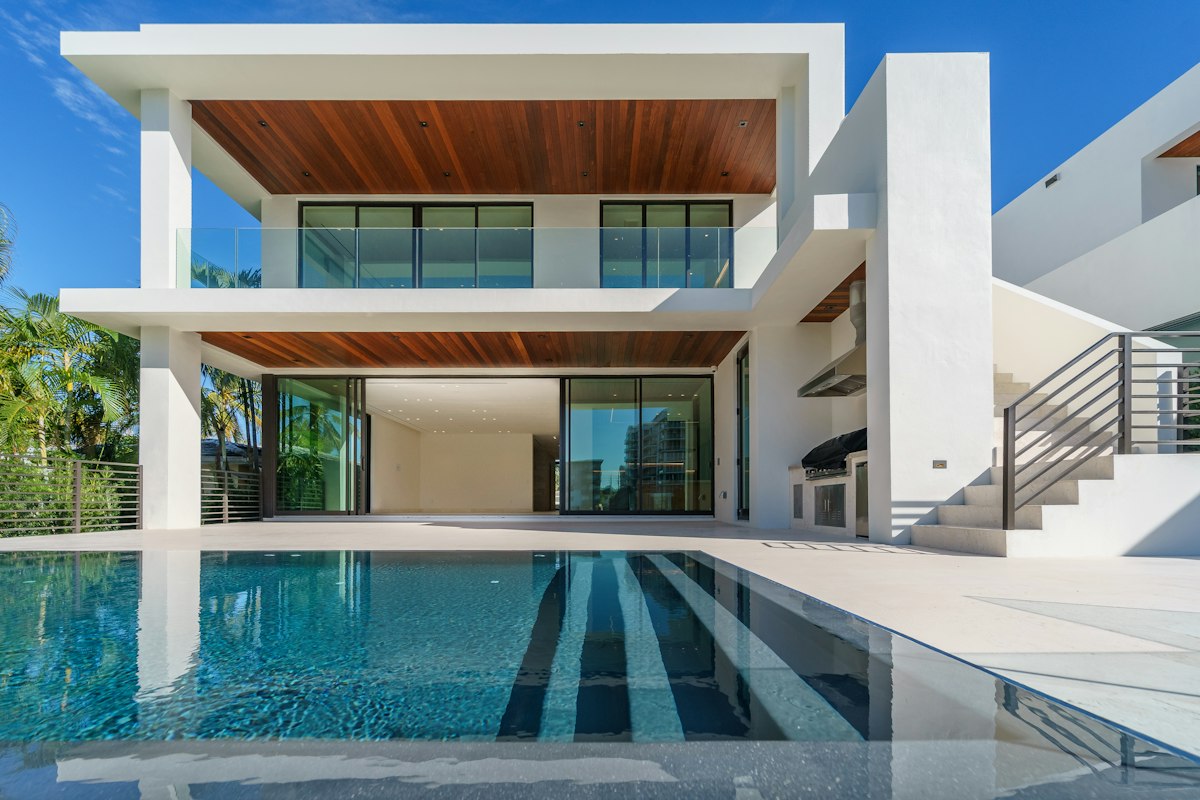
Austin vs San Antonio Real Estate: 2026 Guide

Austin vs San Antonio real estate in 2026: San Antonio's median home price of approximately $285,000 is 70% below Austin's $485,000 median, the most dramatic affordability gap between any two major Texas metros. Austin has appreciated 41% over five years versus San Antonio's 24%, but the I-35 corridor between them, including Buda, Kyle, and New Braunfels, has emerged as one of the fastest-growing real estate markets in the nation, offering buyers a compelling middle ground.
Price Gap: Why Austin Costs 70% More Than San Antonio
The price differential between Austin and San Antonio is stark. As of mid-2026, Austin's median home sale price sits near $485,000, while San Antonio's median is approximately $285,000, a gap of roughly $200,000 or 70%, making San Antonio one of the most affordable large cities in Texas. For buyers relocating from California, New York, or the Pacific Northwest, San Antonio can feel like a revelation.
According to data from Texas A&M's Real Estate Center (TRERC), Austin's premium reflects the concentration of technology employers in Travis County, Apple's campus employs 15,000 people; Tesla, Google, Meta, and Oracle each have significant Austin presences. The resulting high-income workforce has persistently pressured housing prices upward in a market constrained by the Hill Country to the west.
San Antonio's economy is anchored by different pillars: military installations (Joint Base San Antonio is the largest military base in the United States), healthcare systems including University Health and Methodist Healthcare, tourism concentrated in the Riverwalk and Pearl District, and a large service sector. According to the Bureau of Labor Statistics (BLS), San Antonio's median household income is meaningfully lower than Austin's, which naturally moderates home prices, but also means rental rates have not been driven to Austin's levels by high-income tech workers.
Property tax rates between the cities are essentially equivalent: San Antonio's effective rate averages approximately 2.2%, while Austin's averages approximately 2.1%, according to the Texas Comptroller. Because assessed values are dramatically higher in Austin, the absolute annual tax bill on a median Austin home significantly exceeds a median San Antonio home's bill, creating a real carrying cost advantage for San Antonio buyers.
For reference, a buyer purchasing at San Antonio's $285,000 median with 20% down at current rates would carry a meaningfully lower monthly payment than an Austin buyer at $485,000, potentially $800–$1,100 lower per month on principal, interest, and taxes combined. Over a 30-year mortgage, that compounding cost difference is substantial.
The Austin-San Antonio Corridor: A Third Option
One of the most significant housing market dynamics in Central Texas is the growth of the I-35 corridor between Austin and San Antonio. Cities including Buda, Kyle, San Marcos, New Braunfels, and Seguin have absorbed massive in-migration from buyers who want proximity to Austin's employment base without paying Austin prices, or who want a meaningful upgrade in space and lifestyle from San Antonio's urban density.
According to the U.S. Census Bureau, Kyle and Buda have ranked among the fastest-growing cities in the United States in multiple recent annual surveys. Median home prices in these corridor markets range from approximately $310,000 to $380,000, below Austin's median but above San Antonio's, with new construction communities offering modern floor plans, community amenities, and builder incentives unavailable in Austin's land-constrained market.
The corridor option works well for buyers whose Austin employers are located on the south or southeast side, near the airport, Tesla Gigafactory, or the SH-45 Toll corridor. For buyers whose jobs are in the Domain (north Austin) or Cedar Park/Leander, the reverse commute from the corridor can be 45-75 minutes, which many families find unsustainable on a daily basis.
New Braunfels, positioned roughly equidistant between the two cities, has emerged as a particularly popular choice for buyers who want to genuinely split the difference. The Guadalupe River corridor, Schlitterbahn waterpark, and the charming historic Gruene neighborhood give New Braunfels a distinct identity beyond its role as a commuter bedroom community.
San Antonio's Military and Government Economy vs Austin's Tech
Understanding each city's employment base is essential to evaluating their real estate markets. Austin's economy is driven predominantly by technology, it has become one of the largest tech employment hubs in the United States, with Apple, Tesla, Oracle, Google, Meta, Amazon, and dozens of high-growth startups establishing significant presences over the past decade. These employers attract high-income workers who drive demand for premium housing, pushing prices upward and sustaining appreciation.
San Antonio's economy is meaningfully different. Joint Base San Antonio (JBSA), which encompasses Lackland Air Force Base, Fort Sam Houston, and Randolph Air Force Base, is the largest military installation in the United States by personnel count. The military and associated defense contractor sector employs tens of thousands of workers and provides extraordinarily stable, recession-resistant demand for housing in the north, south, and west quadrants of the city. Military-connected buyers and renters are virtually immune to tech-sector layoff cycles.
San Antonio's tourism economy, anchored by the Riverwalk, the Pearl District, the Alamo, and Fiesta, provides supplemental economic activity and fuels a thriving hospitality sector. University Health, Methodist Healthcare Ministries, and a robust cluster of healthcare providers form a third economic pillar that is growing rapidly as the city's population expands.
For real estate investors, the practical implication is this: Austin's rental demand is stronger among high-income tenants who support higher rents, while San Antonio's military-anchored demand is more consistent and counter-cyclical. An Austin rental can generate higher gross revenue; a San Antonio rental often has a more stable occupancy base and lower tenant turnover.
Data from the San Antonio Board of Realtors (SABOR) and Austin Board of Realtors (ABoR) confirm that both markets have remained active in 2026, with San Antonio's market being more balanced between buyers and sellers, giving purchasers more negotiating room than Austin's historically competitive environment.
Appreciation History: Austin vs San Antonio Since 2015
Over the past decade, Austin has generated substantially greater home price appreciation than San Antonio. Redfin Research and NAR data show that Austin-area median home prices roughly doubled between 2015 and 2025, while San Antonio's gains, though meaningful at approximately 24% over five years, have been more moderate.
The COVID-19 pandemic accelerated Austin's price surge dramatically. Remote work authorization freed tens of thousands of high-income workers from California, New York, and Chicago to relocate to Austin, driving a 30-40% price spike between 2020 and 2022. Austin has since partially corrected from those peak levels, which actually represents an opportunity: buyers today can enter the market at meaningfully lower prices than the 2022 peak while still benefiting from long-term appreciation trends.
San Antonio did not experience the same magnitude of pandemic-era spike, which means it also did not experience a comparable correction. The market has been steadier, more predictable, and more accessible to first-time buyers. For buyers who value stability over maximum upside, San Antonio's trajectory is reassuring.
Looking forward, most Texas real estate analysts expect both cities to continue appreciating, with Austin's tech-driven job base sustaining demand for well-priced properties. The wildcard for San Antonio is whether any major tech or advanced manufacturing employers choose to locate there, which would rapidly accelerate its appreciation trajectory.
Lifestyle Differences: Two Texas Cultures
Austin and San Antonio present genuinely different lifestyle experiences despite their proximity. Austin's culture is energized, entrepreneurial, and youth-oriented, it regularly tops rankings for live music, food innovation, outdoor recreation, and quality of life for young professionals. The city's unofficial motto, "Keep Austin Weird," is a genuine reflection of its counterculture roots, even as it has grown into a major corporate hub.
Austin's outdoor lifestyle is a significant draw: Barton Springs Pool, Zilker Park, the Barton Creek Greenbelt, Lady Bird Lake, and the Hill Country wine trail all sit within 30-45 minutes of downtown. The city's restaurant scene has earned national recognition, with a concentration of James Beard-nominated chefs and a food truck culture unique in the country.
San Antonio has a distinctly different character, older, more historically rooted, and deeply tied to its Spanish colonial heritage. The city's 300-year history gives it an architectural richness and cultural depth that newer cities like Austin lack. The Riverwalk is one of the most visited tourist destinations in the United States; the Pearl District has emerged as a world-class mixed-use culinary and cultural destination in its own right. The Alamo, San Fernando Cathedral, and the city's extensive Mission Trail are irreplaceable historical assets.
For families with children, both cities offer solid educational options. Texas Education Agency data shows strong suburban districts in both metros, Comal ISD and Boerne ISD rank highly in the San Antonio area; Eanes ISD and Lake Travis ISD lead in Austin. In both markets, the top-ranked suburban districts command a price premium over more central urban zones.
Is the San Antonio Suburb a Smart Austin Alternative?
For buyers priced out of Austin's central market, San Antonio's northern suburbs, Stone Oak, Alamo Ranch, Helotes, and Boerne, have become a serious consideration. These communities offer new construction at prices well below comparable Austin suburban product, with excellent schools, low crime, and suburban amenities that match or exceed what buyers find at the same price point in Austin's outer ring.
The calculus works for remote or hybrid workers with no daily Austin commute obligation. A buyer who works remotely for an Austin tech company can purchase a 2,800-square-foot home in Boerne for $400,000 that would cost $700,000+ in Cedar Park or Leander. The math is compelling on paper, though lifestyle trade-offs are real, particularly for social connections and cultural activities tied to Austin's density.
For investors, the San Antonio northern suburbs present an interesting opportunity. Military-adjacent rental demand, combined with growing civilian employment as San Antonio's economy diversifies, supports stable rental occupancy. New construction builder incentives, rate buydowns, closing cost contributions, available in San Antonio are largely unavailable in Austin's tighter resale market.
The right choice between Austin and San Antonio, or the corridor between them, is deeply personal and depends on employment situation, family stage, lifestyle priorities, and investment time horizon. Grewal RE Group specializes in Austin and the surrounding Central Texas markets. We help buyers evaluate not just the headline numbers, but the full picture of carrying costs, school quality, commute realities, and long-term appreciation potential.
Frequently Asked Questions
Shivraj Grewal
CLHMS Guild · CNE · TREC #736060 · Compass RE Texas
Shivraj Grewal is a luxury real estate advisor at Compass RE Texas specializing in Austin's most sought-after neighborhoods and the broader Central Texas market. With 100+ transactions and $100M+ in volume, he brings deep market knowledge and white-glove service to every client. Rated 5.0 stars across 117 Google reviews.
Related Articles
Austin, San Antonio, or the Corridor Between?
Grewal RE Group specializes in Austin and Central Texas real estate. Whether you're comparing markets, evaluating corridor communities, or ready to buy, we bring 100+ transactions and $100M+ in volume to every conversation.
117 Google Reviews · 5.0 Stars · CLHMS Guild · CNE · TREC #736060