
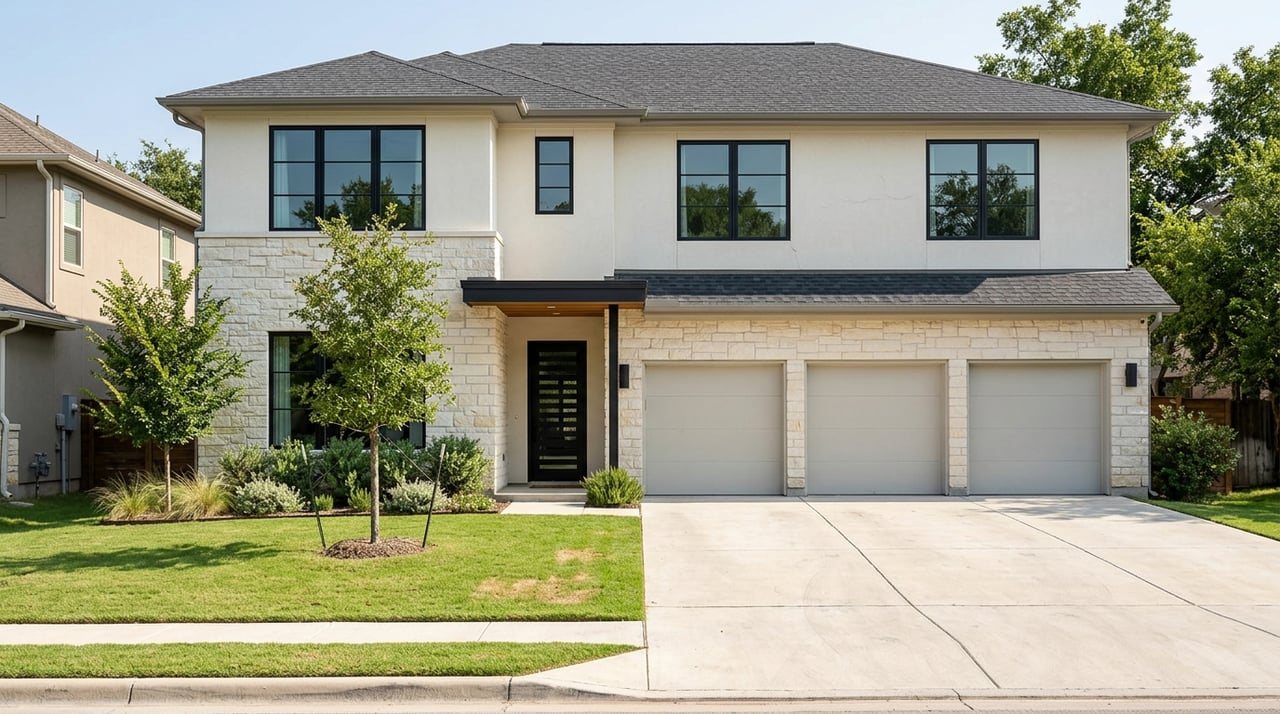
Wondering whether Liberty Hill gives you the extra space you want without giving up too much on convenience? If you are thinking about a move-up home in the Austin area, Liberty Hill stands out because it offers larger homes, strong new-construction options, and a less built-out setting than some nearby suburbs. The tradeoff is that you may pay a bit more than in Leander or Georgetown, and your commute may be longer. Let’s dive in.
Why Liberty Hill Gets Attention
Liberty Hill has been growing fast, and that growth is a big reason move-up buyers keep it on their shortlist. According to U.S. Census QuickFacts, the city grew from 3,568 residents in 2020 to 11,984 in 2024, which is a 235.9% increase.
That growth rate is far higher than nearby Leander and Georgetown over the same period. It also helps explain why Liberty Hill feels like a place in transition, with more homes, more planning activity, and more buyers looking for room to grow.
What Makes Liberty Hill a Move-Up Market
If your main goal is more house for your next chapter, Liberty Hill makes a strong case. The market leans toward larger homes, especially four-bedroom properties, which often match what move-up buyers want after outgrowing a starter home or a smaller in-town property.
Trulia data for Liberty Hill shows 574 four-bedroom homes tracked, compared with 198 three-bedroom homes. That housing mix supports the idea that Liberty Hill is more about moving into a bigger floor plan than finding the lowest entry price.
Home Values Skew Higher
Liberty Hill is not the bargain option among nearby comparison cities. Trulia places the citywide home value at $490,457, compared with $431,344 in Leander and $428,451 in Georgetown.
That matters if you are comparing monthly payment, tax exposure, and how much home your budget can stretch to buy. Liberty Hill may cost more overall, but buyers are often choosing it because that price point can come with newer builds and larger layouts.
Larger Homes Are a Key Draw
The new-construction story is one of Liberty Hill’s biggest strengths. According to Zillow builder data, the average new-construction home in Liberty Hill is about 2,981 square feet for a floor plan and 2,946 square feet for a spec home.
For many buyers, that is the heart of the move-up appeal. If you want more bedrooms, more flexible living space, or a home that better fits a growing household, Liberty Hill is producing the kind of inventory that supports that goal.
How Liberty Hill Compares to Leander and Georgetown
Liberty Hill is often best understood in comparison to nearby alternatives. Leander may appeal more if you want a somewhat shorter commute, while Georgetown may stand out if you prefer a more established market feel.
Liberty Hill tends to be strongest when your priority is size and newer inventory. If your priority is shaving time off your drive or buying in a more mature, built-out area, it may not be the right fit.
| Market | Citywide Home Value | Mean Commute Time |
|---|---|---|
| Liberty Hill | $490,457 | 34.1 minutes |
| Leander | $431,344 | 29.2 minutes |
| Georgetown | $428,451 | 28.2 minutes |
The pattern is clear. Liberty Hill asks for a little more patience on commute time, but many buyers accept that trade because they want the extra square footage and newer neighborhood setting.
Four-Bedroom Buyers May See More Value
Liberty Hill is especially compelling if you are shopping for a four-bedroom home. Trulia reports average four-bedroom home values of $529,017 in Liberty Hill, compared with $479,467 in Leander and $488,303 in Georgetown.
For three-bedroom homes, Liberty Hill is less of a standout value story. Tracked values show $363,218 in Liberty Hill, $350,418 in Leander, and $375,040 in Georgetown, which suggests Liberty Hill shines most when you want a larger floor plan.
Is This a Better Time to Buy?
Recent pricing trends suggest buyers may have a little more room to negotiate than they did a year ago. Trulia’s market trend data shows Liberty Hill cooling from $516,000 in March 2025 to $490,000 in February 2026.
That does not mean Liberty Hill is suddenly inexpensive. It does mean the pressure of the earlier run-up appears to have eased, which can create opportunities for buyers who stay focused on value, builder incentives, and resale potential.
Long-Term Appreciation Still Matters
Cooling over the past year sits alongside a strong longer-term value story. NeighborhoodScout data shows Liberty Hill home values rising 95.08% over the last 10 years.
That is broadly in line with Leander at 99.60% and Georgetown at 94.66%. So while short-term appreciation has normalized, Liberty Hill has still delivered meaningful long-term value growth.
Schools and District Growth
For many move-up buyers, the school district is part of the decision-making process, especially if you plan to stay in the home for several years. Liberty Hill ISD says it covers about 100 square miles in western Williamson County, serves more than 10,500 students across 13 campuses, and is rated B by TEA.
The district currently includes 2 high schools, 2 middle schools, 7 elementary schools, and 1 alternative campus. That scale reflects how quickly the area is growing and how important district planning is to the overall housing story.
Check Attendance Zones Carefully
Growth can also create complexity. Community Impact reported that Liberty Hill ISD enrollment is projected to reach 18,091 students by 2033-34.
The district has also had boundary updates, and attendance-zone materials include an active 2026-27 map. The same reporting noted that Tierra Rosa Elementary was closed to new and returning enrollments for the rest of 2025-26, so it is smart to verify current campus assignment details before you close on a home.
Commute and Connectivity
Liberty Hill offers a different lifestyle rhythm than closer-in suburbs. According to Census QuickFacts, the city’s mean travel time to work is 34.1 minutes, compared with 29.2 minutes in Leander and 28.2 minutes in Georgetown.
That gap may not be a deal-breaker for you, but it should be part of your decision. In simple terms, Liberty Hill often trades a longer drive for more house, newer communities, and a more exurban feel.
183A Improves the North-South Route
Commute access has improved with a major infrastructure update. The Central Texas Regional Mobility Authority says the 183A Phase III extension runs from Hero Way in Leander northward to north of SH 29 in Liberty Hill and is intended to improve mobility and relieve congestion along the US 183 corridor.
For buyers commuting toward Austin, that creates a more direct route than the area had before the extension opened in 2025. It does not erase distance, but it does improve the connection.
Growth Plans Matter for Resale
When you buy in a fast-growing market, future planning matters almost as much as current inventory. The City of Liberty Hill’s LHTX 2040 Comprehensive Plan guides future growth and investment, and the city also launched a 2025 UDC rewrite to align development rules with that plan.
The downtown strategic master plan was adopted in July 2024, which signals ongoing residential and commercial growth rather than a pause in development. For buyers, that can support long-term confidence if you want a market that is still evolving.
Who Liberty Hill Fits Best
Liberty Hill can be a smart move-up choice if you want:
- More square footage than you may find closer in
- Newer construction and larger floor plans
- A less built-out setting with continued growth potential
- A market with strong long-term appreciation history
It may be less ideal if you want:
- The shortest possible commute
- A lower citywide price point
- A more established suburb with fewer growth-related changes
The right answer depends on what you value most in your next home. If space, newer inventory, and room to grow are leading your list, Liberty Hill deserves a serious look.
Final Take
Liberty Hill is a real move-up market, but it is not a one-size-fits-all answer. It tends to work best for buyers who are comfortable paying a bit more for larger homes, newer neighborhoods, and a setting that still feels less built out than some nearby options.
If you are weighing Liberty Hill against Leander, Georgetown, or another fast-growth suburb, the key is to compare your budget, commute, must-have home features, and timeline together instead of looking at price alone. If you want help sorting through those tradeoffs and identifying the best fit for your next move, connect with Grewal RE Group for tailored guidance.
FAQs
Is Liberty Hill, TX a good market for a move-up home?
- Yes. Liberty Hill stands out for larger homes, strong new-construction inventory, and a housing mix that leans heavily toward four-bedroom properties.
Are home prices in Liberty Hill higher than Leander and Georgetown?
- Yes. Trulia data in the research report shows Liberty Hill’s citywide home value is higher than both Leander and Georgetown.
Is the Liberty Hill commute longer than nearby suburbs?
- Yes. Census data shows Liberty Hill’s mean travel time to work is 34.1 minutes, which is longer than both Leander and Georgetown.
Does Liberty Hill have a lot of new construction?
- Yes. Zillow builder data in the research report shows average new-construction home sizes near 3,000 square feet, which supports buyers looking for larger, newer homes.
Should buyers verify Liberty Hill ISD attendance zones before closing?
- Yes. The research report notes district growth, boundary updates, and enrollment-related changes, so checking current attendance-zone information is important during your home search.
