
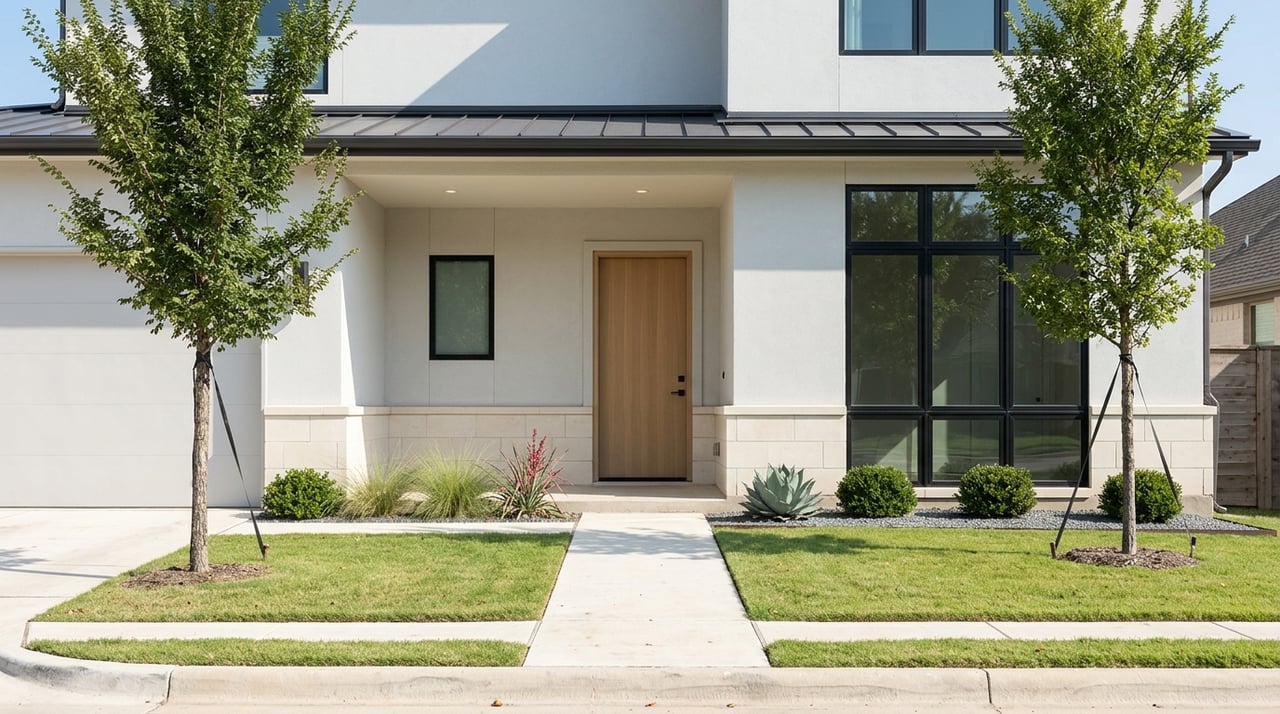
Thinking about buying new construction in Leander? It is easy to fall for a polished model home or a great-looking base price, but the real decision is bigger than countertops and curb appeal. If you want to choose the right neighborhood, understand the true monthly cost, and avoid surprises during the build, a little extra homework can go a long way. Let’s dive in.
Start With the Full Buying Process
Buying a newly built home in Leander is often very different from buying a resale home. You may be choosing a floor plan before the home is finished, reviewing a builder contract, making deposits, and waiting through construction, permitting, and design selections.
That is why it helps to think of your purchase as a process, not just a property. Each builder can have a different timeline, contract structure, and deposit policy, so you want to understand how the neighborhood works from start to finish before you commit.
An independent buyer’s agent can also be valuable in new construction. Many buyers want help comparing communities, negotiating terms, tracking timelines, and keeping records of changes as the build moves forward.
Ask Early About Deposits and Financing
Before you sign, ask when deposits are refundable and what happens if financing changes. You should also ask whether the contract allows for financing and inspection contingencies.
These details matter because new construction often stretches over months, and a lot can change during that time. Clear answers upfront can help you avoid expensive misunderstandings later.
Compare Incentives the Right Way
Builders sometimes offer incentives such as price reductions, mortgage rate buydowns, or upgrade packages. These offers can be helpful, but they should be evaluated as part of the total cost of the home.
A strong incentive is not always the same as the best deal. When you compare neighborhoods in Leander, look at the final numbers, not just the marketing headline.
Look Beyond the Base Price
The base price is only the starting point in many new construction communities. What looks affordable online can shift quickly once you add lot premiums, design-center upgrades, and move-in items that may not be included.
That is why one of the smartest ways to evaluate a new construction neighborhood in Leander is to build an all-in budget for each community you are considering. This gives you a more realistic side-by-side comparison.
Common Costs Buyers Miss
Some buyers are surprised to learn that move-in readiness may require additional spending beyond the quoted base price. Depending on the builder and community, you may need to budget for:
- Appliances
- Landscaping
- Window treatments
- Fencing
- Interior upgrades
- Exterior upgrades
- Lot premiums for certain locations
These costs can add up fast. A neighborhood with a higher base price may actually offer better value if it includes more of what you need.
Compare Lots, Not Just Floor Plans
Two homes with the same floor plan can feel very different based on the lot. In some Leander communities, certain lots may carry premiums because of location, views, green space, or other positioning factors.
When you tour neighborhoods, ask what makes one lot cost more than another. Then decide whether that premium matches your priorities and long-term plans.
Review Builder Reputation and Warranty Details
Builder reputation matters, but it should not be your only filter. Every builder can have its own process, communication style, contract norms, and construction timeline.
That means you should evaluate both the product and the experience. A beautiful floor plan is important, but so is understanding how the builder handles delays, repairs, and post-closing service.
Read the Warranty Carefully
Most newly built homes come with a builder warranty, but the coverage can vary by category and timeline. In many cases, workmanship and materials are covered for about one year, major systems such as HVAC, plumbing, and electrical may be covered for about two years, and major structural defects may be covered for longer.
It is important to read the actual warranty and not rely on a quick verbal summary. You should also ask how claims are submitted, how repairs are handled, and whether the contract includes arbitration language.
Know the Difference Between Warranties
A builder warranty is not the same as a separate home warranty or service contract. Those are different products, and they may cost extra.
If a neighborhood sales team mentions warranty protection, ask exactly what is included, who backs it, and how long each part lasts. That will help you compare communities more accurately.
Understand Leander Taxes, MUDs, and HOA Costs
One of the most important parts of evaluating a new construction neighborhood in Leander is understanding the monthly payment beyond principal and interest. Property taxes, special districts, and HOA dues can change affordability more than many buyers expect.
Texas has no state property tax, but local governments, school districts, counties, and special districts set property tax rates. Appraisal districts determine value, but they do not levy the tax.
Check for MUD or Special District Taxes
In the Leander area, some neighborhoods fall within special districts listed by Williamson CAD, including Leander MUD #1, Leander MUD #2, Leander MUD #3, and Leander TODD MUD #1. These districts can help finance infrastructure such as water, wastewater, drainage, and in some cases roads and parks.
For you as a buyer, the practical question is simple: how much does that add to the tax bill? A neighborhood with newer infrastructure may come with a different tax picture than you expect, so always compare tax rates community by community.
Ask What the HOA Actually Controls
HOA dues are not just another line item. They can affect both your budget and how you use your property.
In Texas, deed restrictions may regulate things like structure placement, design, setbacks, yard requirements, and certain owner activities. When evaluating a Leander neighborhood, ask for the HOA documents and review both the dues and the restrictions before moving forward.
Verify School Zones by Address
If school assignment matters to your household, do not rely on marketing materials or general neighborhood descriptions. In Leander, attendance zones are assigned by address, and those boundaries can change over time.
Leander ISD says buyers should use the district’s School Zone Finder along with the county appraisal district’s property search for official district information. That is especially important in fast-growing areas where rezoning can happen as new campuses open.
Growth Can Affect Future Assignments
Leander ISD has recently adjusted attendance boundaries as the area has grown, including changes tied to the opening of Elementary School #30 north of the Devine Lake subdivision. That does not mean a specific address will change, but it does mean you should confirm the current zoning and ask questions about future growth.
The district includes multiple campuses in and around Leander, such as Danielson Middle, Leander Middle, Stiles Middle, Wiley Middle, Glenn High, Leander High, and Rouse High. Still, the exact assigned campus depends on the specific property address.
Study Future Infrastructure Before You Buy
A new construction neighborhood is not only about what is there today. In Leander, future roads, utilities, and corridor planning can shape daily convenience and long-term value.
The city’s Capital Improvement Program is a five-year plan that includes transportation, water, and wastewater projects. Current listed projects include San Gabriel Parkway East Phase 2, Raider Way and Woodview Drive improvements, South Street at West Drive, Bagdad Road and Collaborative Way signal work, East Street wastewater work, Advanced Metering Infrastructure, the San Gabriel Elevated Storage Tank, and the Bagdad Terminus project.
Why Infrastructure Should Influence Your Search
These projects can affect traffic flow, utility capacity, access, and the feel of an area as it develops. A neighborhood near planned road improvements may become more convenient over time, while nearby construction or corridor changes may affect your short-term experience.
The city has also studied the US 183 corridor from 183A Toll to Osage Drive to identify future mobility improvements and land-use opportunities. If you are comparing Leander neighborhoods, it is worth asking how nearby city projects could shape the area over the next few years.
A Smart Checklist for Comparing Neighborhoods
When you narrow your options, use the same checklist for every community. That makes it easier to compare neighborhoods objectively and avoid getting distracted by staging or builder promotions.
Here are a few questions to keep with you:
- What is the true all-in price after upgrades, lot premiums, and move-in extras?
- What incentives are being offered, and how do they affect the full cost?
- What are the builder’s deposit terms and construction timelines?
- What warranty coverage is included, and what does the claims process look like?
- Is the neighborhood in a MUD or other special taxing district?
- What are the HOA dues and deed restrictions?
- Which school zone applies to this specific address today?
- What city transportation or utility projects are planned nearby?
If you compare each Leander neighborhood using the same lens, you will make a calmer and more confident decision.
Buying new construction in Leander can be exciting, especially if you want modern layouts, energy-efficient features, and a home that fits your lifestyle from day one. The key is to evaluate the neighborhood with the same care you give the house itself. If you want thoughtful, local guidance as you compare builders, communities, and true monthly costs, Grewal RE Group is here to help.
FAQs
What should you compare when evaluating new construction neighborhoods in Leander?
- You should compare the full buying process, all-in price, builder warranty, lot premiums, tax structure, HOA rules, school zoning by address, and nearby infrastructure plans.
How do MUD taxes affect new construction homes in Leander?
- Some Leander neighborhoods are located in special districts such as MUDs, which can add to the total property tax bill because those districts help finance infrastructure like water, wastewater, drainage, roads, or parks.
Why is the base price not enough when shopping for a new home in Leander?
- The base price may not include lot premiums, upgrades, appliances, landscaping, window treatments, fencing, or other items needed for move-in readiness.
How can you verify school zones for a Leander new construction home?
- You should confirm school assignment by the specific property address using Leander ISD’s School Zone Finder together with the county appraisal district property search, because attendance zones can change.
What builder warranty details matter in a Leander new construction purchase?
- You should review what is covered, how long each category lasts, how claims are filed, and whether the contract includes terms such as arbitration that affect how disputes are handled.
Why do city infrastructure projects matter when choosing a Leander neighborhood?
- Planned road, signal, water, and wastewater projects can affect commute patterns, utility service, access, construction activity, and long-term convenience in the surrounding area.
