
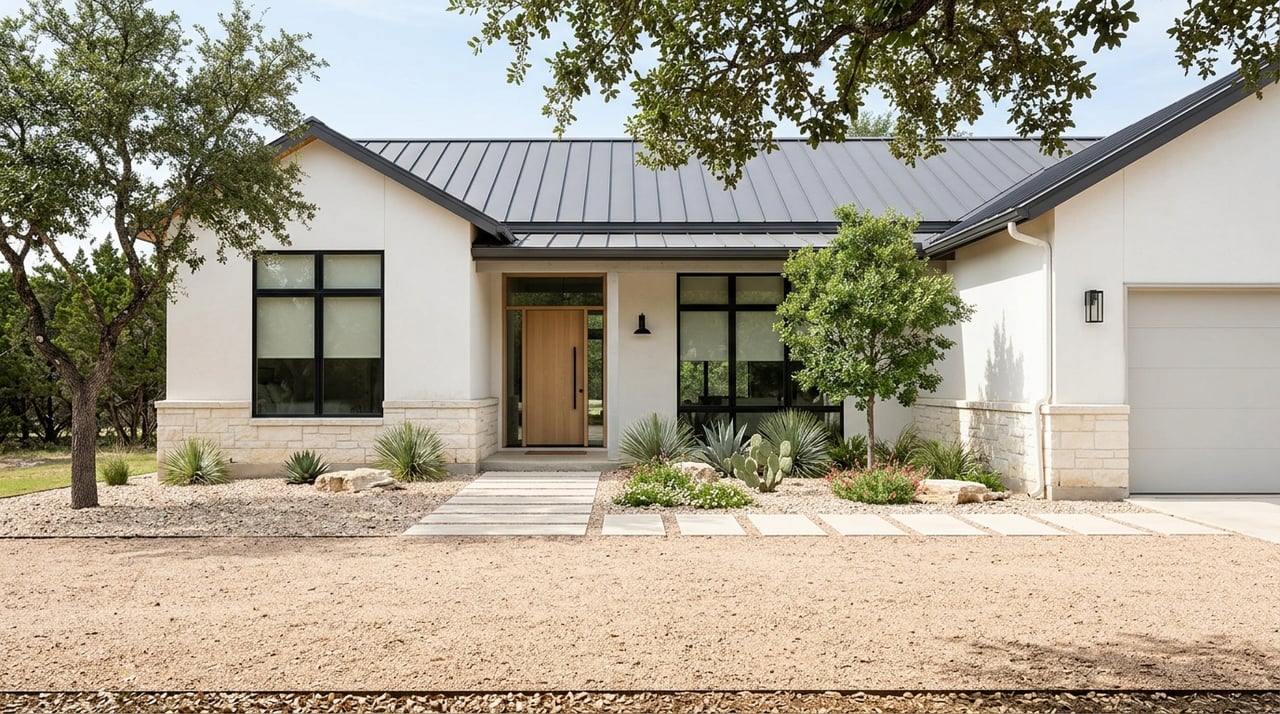
Dreaming about space, views, and a little more breathing room? Buying acreage around Dripping Springs can offer all of that, plus convenient access to Austin, but it also comes with more moving parts than a typical neighborhood home purchase. If you are considering Hill Country land, this guide will help you understand the lifestyle appeal, the utility questions, and the tax details that matter most before you commit. Let’s dive in.
Why Dripping Springs Draws Acreage Buyers
Dripping Springs is often appealing because it gives you a Hill Country setting without feeling far removed from daily life. The city describes itself as the Gateway to the Hill Country and notes that it is about 25 minutes west of Austin, which helps explain why many buyers see it as a practical balance of privacy and access.
Beyond location, the area has a distinct lifestyle identity. According to the City of Dripping Springs visitor information, the area offers parks, recreation, shopping, dining, live music, craft breweries, wineries, and nearby hotels. That mix can make acreage ownership feel more connected and convenient than buyers expect.
Another part of the appeal is the setting itself. The city notes that Dripping Springs was the first city in Texas, and the sixth in the world, to be designated an International Dark Sky Community. For many acreage buyers, that reinforces the value of open skies, lower light pollution, and a more rural atmosphere.
What Acreage Living Really Means
The lifestyle story is real, but the practical side matters just as much. Around Dripping Springs, buying land is often less about floorplan choices and more about understanding water, wastewater, permits, and land use.
Hays County makes that clear in its development process guide. Before you buy, the county recommends confirming whether the tract is inside city limits, inside a city's ETJ, or in unincorporated Hays County. You also need to verify the source of water and wastewater and determine whether the property is environmentally sensitive.
That is a big reason acreage purchases require extra diligence. A beautiful tract can still come with limits or added costs if utilities, permitting, or site conditions are not what you expected.
Check Utilities Before You Fall in Love
Utilities are one of the most important parts of buying Hill Country acreage. You should never assume a tract has the same utility options as a home in a traditional subdivision.
Wastewater Is Not Always Available
The City of Dripping Springs public works department says its wastewater infrastructure serves properties inside city limits and select subdivisions under development agreements. The city also states that its treatment plant is currently at full capacity and cannot accept new wastewater service connections.
For you as a buyer, that means sewer service should be verified, not assumed. In many acreage situations, septic may be the likely solution unless a specific connection already exists.
Septic Rules Matter
If a property is in unincorporated Hays County, septic requirements are a major part of the buying process. Hays County states that all development and OSSF work in the unincorporated area requires a septic permit, regardless of lot size.
The county also notes that aerobic or advanced systems require ongoing maintenance. In addition, the city's Environmental Health Department says it performs soil and site evaluations and permits new or repaired on-site wastewater installations. That means septic feasibility is not just a paperwork issue. It can affect build plans, costs, and long-term upkeep.
Wells Need Verification and Testing
For water service, some acreage properties may rely on a private well rather than city water. The city's Environmental Health Department points residents to the Hays Trinity Groundwater Conservation District for groundwater matters in western Hays County, which is a reminder that water supply should be evaluated carefully.
The Texas Water Development Board says private well owners generally do not register wells with the state unless the property is inside a groundwater conservation district, but new wells still require a State of Texas Water Well Report. Water quality is also your responsibility as an owner. The Texas Well Owner Network recommends annual testing for at least E. coli, and TCEQ advises private well owners to use an accredited drinking-water laboratory.
Know Which Agency Has Authority
One of the easiest ways to get confused during an acreage purchase is not knowing which office handles which issue. Around Dripping Springs, different agencies may oversee development, wastewater, tax appraisal, and groundwater questions.
Here is the simple version:
- Hays County handles development and septic permits in the unincorporated area
- City of Dripping Springs handles municipal wastewater and certain environmental health matters within its service area
- Hays CAD handles 1-d-1 open-space appraisal filings
- Groundwater district focuses on groundwater conservation in western Hays County
This matters because the answers you need may not all come from one source. A tract can look straightforward online but still require separate verification with county, city, appraisal, and groundwater authorities.
School Access Is Part of the Conversation
For many buyers, acreage is not just about land. It is also about finding more space while keeping access to area schools and Austin job centers.
According to Dripping Springs ISD, the district is located in northern Hays County, less than 25 miles from Austin, spans 198 square miles, serves about 8,800 students, and operates nine schools. The district's accountability information states that in 2025 three campuses earned A ratings and all eight campuses scored at least 87 in TEA accountability.
The district is also growing. In September 2024, DSISD announced that Elementary #6 was scheduled to open for the 2025-26 school year to help relieve overcrowding. For acreage buyers, that is a useful sign that growth is shaping not only the land market, but also public infrastructure and school planning.
Water Planning Is a Long-Term Issue
Acreage buyers sometimes focus on what works today and overlook what may matter in five or ten years. In this part of Hays County, water planning is a long-term issue you should take seriously.
Hays County announced a 2026 countywide water study because the last countywide study was completed in 2011 and rapid growth, especially in West Hays County, is creating new challenges. That does not mean a property is automatically a poor fit. It does mean water availability and long-range planning deserve careful attention during your due diligence.
Understand Ag Valuation and Wildlife Management
Taxes can be one of the most misunderstood parts of buying Hill Country acreage. In Texas, the key concept is usually not a simple exemption. It is special appraisal based on productivity value.
The Texas Comptroller explains that qualified open-space land is appraised on productivity value rather than market value. Hays CAD provides current 1-d-1 open-space application materials and wildlife plan forms online, which makes it easier to review the actual filing requirements before you buy.
Do Not Assume the Whole Property Qualifies
A common mistake is assuming every acre on a ranchette receives the same treatment. Hays CAD's filing form separates acreage devoted to agricultural use from acreage used for nonagricultural purposes.
In practical terms, that means the homesite portion of a property should not automatically be assumed to qualify for special appraisal. This is one area where paperwork and actual land use need to line up.
Wildlife Management Can Apply in Some Cases
Wildlife management may qualify as agricultural use in Texas, but only under specific conditions. The Comptroller states that land must generally have been previously qualified as open-space or timberland and be actively managed through at least three of seven approved practices.
Hays CAD's materials also require a wildlife management plan and ask whether the tract was part of a qualifying open-space or timberland tract in the prior year. If you are buying with this in mind, it is smart to confirm the property's current status and what would be required to maintain it.
Rollback Risk Is Real
Another issue buyers should understand is rollback taxes. The Comptroller notes that a change in use can trigger additional tax liability, commonly called rollback taxes.
Hays CAD's application also notes that five years of continuous agricultural use may be required if the tract is inside city limits. If your plan is to change how the land is used, that should be reviewed early so there are no surprises after closing.
A Smart Acreage Buying Checklist
If you are serious about buying acreage around Dripping Springs, here are a few key items to confirm before moving forward:
- Whether the tract is in city limits, an ETJ, or unincorporated Hays County
- The actual water source, including city water, shared supply, or private well
- Whether wastewater is sewer, septic, or another approved system
- Whether septic permitting or soil evaluation will be needed
- Any environmental or floodplain considerations
- Current agricultural or wildlife management appraisal status
- Whether any planned change in land use could create rollback tax exposure
This kind of diligence helps you compare properties more clearly. It also helps you avoid getting attached to land that does not fit your budget, goals, or timeline.
Why Guidance Matters in Acreage Purchases
Buying Hill Country acreage around Dripping Springs can be incredibly rewarding, but it is rarely as simple as buying a resale home in a standard subdivision. The right property can offer privacy, views, dark skies, and room to build the lifestyle you want, but only if the utilities, permits, and land-use details make sense for your plans.
That is where thoughtful guidance matters. If you are exploring acreage opportunities around Dripping Springs and want a clear, well-supported buying strategy, connect with Grewal RE Group for local insight and a more confident path forward.
FAQs
How far is Dripping Springs from Austin?
- The City of Dripping Springs says it is about 25 minutes west of Austin.
What should you verify before buying acreage in Dripping Springs?
- You should verify whether the tract is in city limits, an ETJ, or unincorporated Hays County, plus water source, wastewater method, environmental sensitivity, and permit requirements.
Does every acreage property around Dripping Springs have city sewer service?
- No. The City of Dripping Springs says municipal wastewater service is limited to properties inside city limits and select subdivisions under development agreements, and the treatment plant is currently at full capacity for new connections.
Who issues septic permits for unincorporated Hays County properties?
- Hays County says septic permits are required for all development and OSSF work in the unincorporated area, regardless of lot size.
Can a private well on Hill Country acreage go without testing?
- No. The Texas Well Owner Network recommends annual testing at least for E. coli, and private well owners are responsible for ongoing water quality testing.
Can wildlife management help preserve a lower property tax appraisal in Hays County?
- It can in some cases, but the land generally must have previously qualified as open-space or timberland and must meet active wildlife management requirements with the proper plan and filings.
